
Client name and identifying details have been altered to respect confidentiality. The engineering constraints and outcomes described are representative of work we undertake for organisations in this sector.
A regional freight operator was planning routes and allocating vehicles by spreadsheet and instinct. Empty running was high, customers had no visibility, and dispatchers were overwhelmed during peaks.
Dispatch depended on a few experienced coordinators who held the network in their heads. When they were unavailable, service quality dropped. Vehicles frequently returned empty because no one had time to match backhauls. Customers rang the office for ETAs that staff couldn't reliably give. As volumes grew, the manual model was hitting a hard ceiling — and a single misallocated run could cascade into late deliveries across the day.
We built a dispatch engine that ingests orders, vehicle capacity and live location, then proposes optimal routes and assignments using constraint-based optimisation — respecting delivery windows, vehicle types and driver hours. Dispatchers review and adjust suggestions through a clear interface rather than building plans from scratch, keeping humans in control of exceptions.
A live tracking layer streams vehicle positions and computes dynamic ETAs, surfaced to both dispatchers and a customer-facing view. Geographic data modelled in a spatial database made distance and zone calculations accurate, and the whole system runs on cloud infrastructure that scales with seasonal peaks.
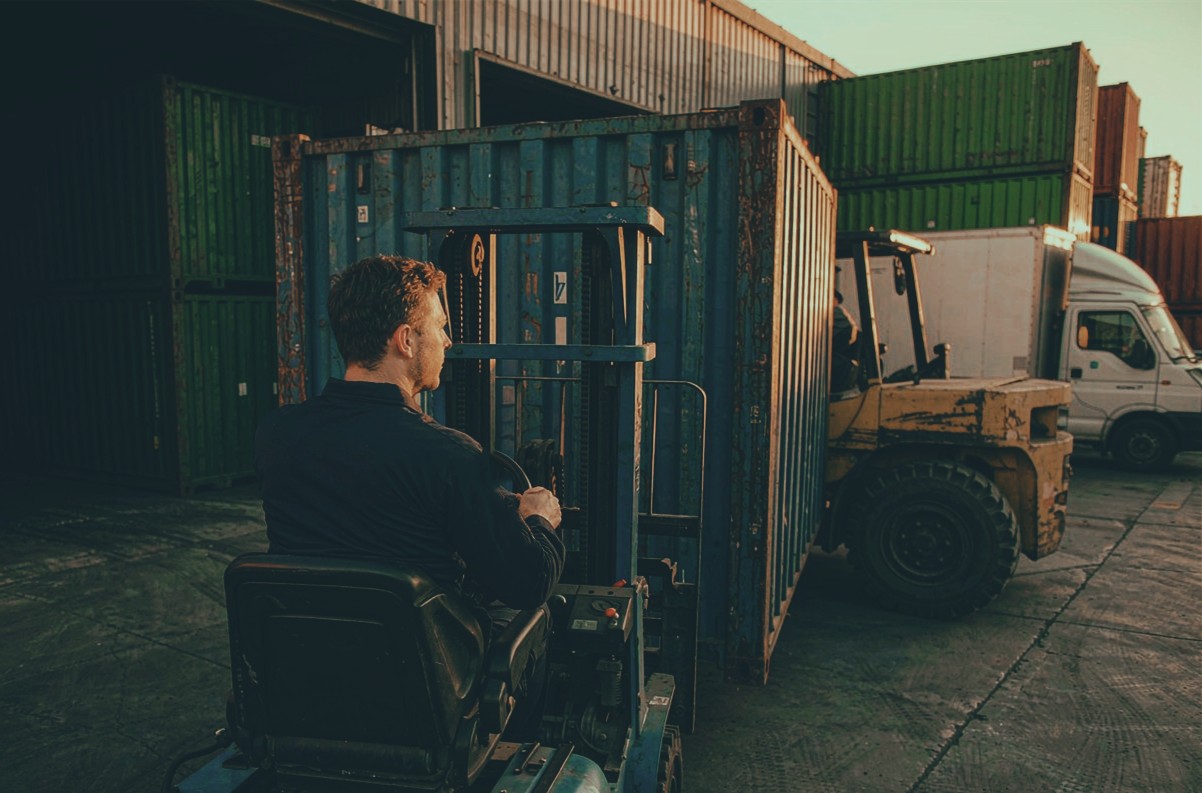
Empty running fell by about 22% as backhauls were matched automatically. Customers gained real-time tracking and accurate ETAs, lifting satisfaction and cutting inbound "where's my delivery" calls. The operations team now manages the entire network from a single live view, and scaling into peak season no longer means hiring coordinators proportionally.
Optimisation only pays if dispatchers trust and adopt it. We led with decision support — suggestions a human approves — rather than a black box that took control. That earned confidence fast and meant the system handled real-world exceptions the algorithms couldn't foresee.
A snapshot of how this work was delivered, for transport and logistics operators considering dispatch automation.
Sixteen weeks from discovery to depot-by-depot rollout, with each site validated before the next was onboarded.
A lead engineer, two backend engineers, a mobile engineer and client operations supervisors providing ground-truth feedback.
Optimisation as a service consuming live telemetry, with a driver app and a dispatch console designed around existing workflows.
Empty running removed and ETAs made real, with planners redirected from firefighting to exception handling.
Optimisation only pays if the people on the ground trust it and the data feeding it is honest. We spent as much effort on the driver app and the dispatch console as on the algorithm, because an optimal route nobody follows is worthless. Start by making field data effortless to capture — location, job status, exceptions — and let optimisation earn its place by handling the routine so your planners can focus on the genuinely hard cases. Technology amplifies a good operation; it does not rescue a chaotic one.